







L V Prasad Eye Institute sets global benchmark in corneal neurotization

Over 40 successful procedures since 2019 are transforming treatment for neurotrophic keratitis, offering patients a curative solution beyond traditional palliative care

0
50
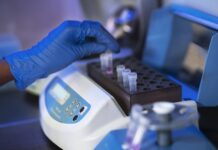
Image for the representational purpose only.
New Delhi: L V Prasad Eye Institute (LVPEI) has emerged as one of the foremost global centres for corneal neurotization surgery.
Since 2019, the institute has successfully performed more than 40 such procedures, with outcomes matching those of other leading institutions worldwide. This groundbreaking surgical approach offers a new ray of hope to patients suffering from neurotrophic keratitis, a condition that has traditionally been managed only with palliative care.
Corneal neurotization is an advanced microsurgical technique designed to restore sensation to the cornea when its natural nerve supply is lost. Without this sensation, the eye cannot detect irritation or injury, compromising essential protective reflexes such as blinking and tearing. This loss can occur due to congenital defects, traumatic injuries, or nerve damage following neurosurgery. The procedure involves redirecting healthy sensory nerves—often from the forehead or leg—and attaching them close to the cornea using precise microsurgical methods. Over time, these transplanted nerves regenerate and extend into the cornea, restoring sensation. This enables natural eye functions to resume, improving comfort, healing capacity, and long-term protection of vision.
What sets LVPEI’s approach apart is a unique blend of multidisciplinary expertise, advanced technology, and extensive clinical experience. The institute brings together corneal specialists, neurosurgeons, oculoplastic surgeons, anaesthetists, neurologists, and skilled support staff under one roof. This comprehensive in-house capability allows for seamless management of the highly intricate nerve transfer procedures. LVPEI is the only centre in India to have performed over 40 such surgeries with a high success rate, exceeding many global benchmarks for this niche procedure. The institute also benefits from cutting-edge microsurgical tools, intraoperative nerve detectors, and high-resolution corneal imaging technologies that are not commonly available elsewhere.
LVPEI’s experience spans both paediatric and adult cases of neurotrophic keratitis, covering congenital as well as complex acquired conditions, including severe ocular surface disorders. The centre’s expertise is complemented by its leadership role in training, with structured workshops, live surgical demonstrations, and collaborative programmes aimed at raising the global standard of care.
The surgery is particularly beneficial for patients with nerve injuries following neurosurgical tumour excision, severe ocular trauma, congenital corneal anaesthesia—especially prevalent in populations with higher rates of consanguinity—or nerve damage caused by infections like herpes zoster. In such cases, corneal anaesthesia leads to a lack of sensation, reduced blinking and healing, chronic dryness, and recurrent injuries that can progress to blindness if untreated.
Results from LVPEI’s corneal neurotization procedures have been life-changing. Many patients have experienced significant improvements in tear film stability, ocular surface health, and corneal clarity, enabling them to reduce their dependence on preservative-free lubricants. In certain cases, patients were able to avoid tarsorrhaphy, a procedure previously considered essential. Six to twelve months after surgery, in vivo confocal microscopy confirmed nerve regeneration in the cornea, marking a clear return of function. In some patients, optical keratoplasty was successfully performed about a year after neurotization, with encouraging graft survival rates—something once deemed risky in neurotrophic eyes.