












How India is Countering the Growing Challenge of Drug-Resistant TB

Treating TB without knowing whether the bacteria are resistant in the individual can waste months and worsen the disease, writes Dr Gunisha Pasricha, Principal Scientist & Infectious Diseases Expert, MedGenome Labs

0
165
About Author: Dr Gunisha Pasricha, Principal Scientist & Infectious Diseases Expert, MedGenome Labs is an experienced Research and Development Manager with a demonstrated history of working in the biotechnology industry. Holding nearly two decades of experience, she is strong research professional with a Doctor of Philosophy (Ph.D.) focused on Biotechnology from Birla Institute of Technology and Science. Prior to working with MedGenome Labs, she was associated with Hi Tech Biosciences India Ltd.

Tuberculosis (TB) is one of the oldest infectious diseases known to humankind, and yet, it continues to affect lakhs of Indians every year. What is even more worrying is the rise in drug-resistant TB (DR-TB), a form of disease that doesn’t respond to some of our most important TB medicines. As per the WHO’s Global Tuberculosis Report 2025, India makes up 25% of the global TB burden. While it is slowly reducing, India still faces the hurdle of having the highest number of DR-TB cases, making up 32% of the global burden.
That said, with early detection, accurate diagnosis, and timely treatment, the outcomes for TB and DR-TB patients in the country are changing significantly. With newer, faster diagnostics now available across India, people no longer have to wait weeks for a confirmed diagnosis. Also, government programs are enabling awareness and better identification and management of cases. Collective efforts such as these are slowly but surely paving the way for a TB-free Bharat.
Understanding TB and DR-TB
TB is caused by a bacteria called Mycobacterium tuberculosis. Most people associate the disease with the lungs, but TB can affect almost any organ, including the kidneys, spine, brain, and lymph nodes. It is important to know that TB often starts silently. A cough lasting more than 2–3 weeks is the most common early sign. Many people ignore this, thinking it is just a seasonal infection, which delays diagnosis and makes the disease harder to treat.
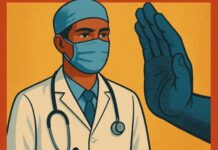
When the TB bacteria stop responding to the medicines that normally cure it, it leads to drug-resistant TB (DR-TB). This can happen when the treatment is stopped midway, medicines are not taken regularly, TB remains undiagnosed for too long, or incorrect or incomplete drug regimens are used. When this happens, the bacteria “learns” to escape the drugs, leading to multi-drug resistant TB (MDR-TB) or, in severe cases, extensively drug-resistant TB (XDR-TB).
Managing drug resistance 
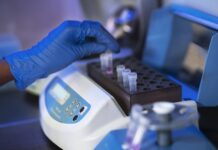
Treating TB without knowing whether the bacteria are resistant in the individual can waste months and worsen the disease. This is why testing at the very beginning is critical. While traditional culture tests are reliable, the reports take weeks because TB bacteria grow slowly. Today, advanced molecular tests and sequencing technologies are making faster and more precise diagnoses possible.
India has amplified molecular TB diagnostics such as TrueNAT and CBNAAT in recent years. These tests help clinicians detect tuberculosis quickly and ascertain whether the infection is resistant to rifampicin, one of the main first-line drugs. Similarly, SPIT SEQ is a culture-free next-generation sequencing (NGS) test that provides one of the most detailed resistance profiles available today. It detects DR-TB in around 10-14 days and identifies mutations linked to resistance for 18 TB drugs and beyond, helping doctors choose the right medicine, dose, and duration, and reduce trial-and-error treatment.
Protecting Your Close Ones
TB spreads easily within households. If someone at home is diagnosed with active TB, ensure good ventilation, use masks when interacting closely, and screen all close family members. Children and the elderly should be tested early and complete treatment without missing doses. Many people can have latent TB, meaning the bacteria are present but inactive. A simple test and preventive medicines can stop it from becoming an active infection.
If you or someone at home has a persistent cough, fever, especially in the evening, unexplained weight loss, night sweats, fatigue, and loss of appetite, for more than 2–3 weeks, it is important to consult a doctor and get checked. Most TB patients need 6 months of treatment. DR-TB may need longer. It is crucial that patients take medicines exactly as prescribed, do not stop when they “start to feel better”, attend follow-up visits, report side-effects early, and eat nutritious, protein-rich food. Remember that stopping treatment early is the biggest reason TB becomes drug-resistant.
Early Diagnosis Is Our Best Defense
In this fight against TB, early action is our most powerful weapon. It is important to remember that TB is a serious disease, but it is entirely curable. With the right healthcare tools, growing awareness, timely check-ups, and treatment, we can prevent the growth of TB and DR-TB, and save lives. Thereby, protecting patients, families, and communities, and moving closer to our goal of TB Mukt Bharat.

*Views expressed by the author are her own.