



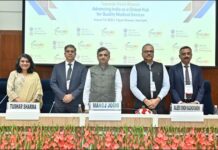
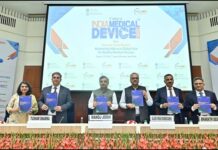















New Delhi: In a significant effort to combat the growing burden of Non-Communicable Diseases (NCDs) in India, the People to People Health Foundation (PPHF) has successfully concluded the first phase of PRANAA.
This project (PRANAA) addressed the unmet primary healthcare needs of underprivileged populations suffering from Non-Communicable Diseases (NCDs).
Boston Scientific supports PPHF’s broader mission, including initiatives like Project PRANAA, which is implemented in Gurugram and Pune. It contributes to the National Program for Non-Communicable Diseases (NP-NCD) and aligns with the Government of India’s ‘75/25 initiative’ on NCDs. It aims to strengthen healthcare delivery, promote digital health avenues, and improve public health outcomes.
NCDs account for 60% of deaths in India, presenting a significant challenge to achieving the “Viksit Bharat” vision of a developed India by 2047. PRANAA’s success underscores the urgent need for a multi-sectoral approach, including strengthened prevention and early detection policies; enhanced healthcare infrastructure and accessibility; and greater community engagement and behavior change campaigns.
Over the past year, with the aim of contributing to the NCD 75/25 Initiative of the Government of India, PRANAA has made remarkable strides in improving community health. The initiative reached more than 14,071 individuals through 135 screening camps and 44 community awareness drives, significantly raising awareness about NCDs. It also screened 8,738 adults for NCDs, bridging critical gaps in healthcare access.
To further strengthen healthcare delivery, 107 healthcare workers were trained in essential skills such as ECG techniques, cervical cancer screening, and CPR, enhancing the capacity of local health systems to address pressing health challenges.
Elaborating on the importance of tackling NCDs, Dr Laxmikant Palo, CEO, People to People Health Foundation (PPHF) said, “PPHF remains committed to work together with health system and private sectors on mobilizing communities through regular awareness, training and screening programs in tackling the rising burden of Non-Communicable Diseases. We apply a collaborative, integrated, transdisciplinary approach that bridges the existing operational gaps in NCD programming.”
PRANAA introduced Public-Private Partnerships (PPP) to bridge diagnostic and specialist care gaps. Private diagnostic facilities and specialists were empaneled to ensure high-quality, accessible services. Women Wellness Camps addressed societal barriers, promoting cancer screenings and tackling other unmet healthcare needs. These initiatives saved time, reduced costs, and provided high-quality care to underserved populations.
Madan R. Krishnan, VP and MD, APAC Growth Markets, Boston Scientific, stated, “At Boston Scientific, we are dedicated to transforming lives through innovative medical solutions and meaningful collaborations. Our support for PPHF’s initiatives, such as Project PRANAA, reflects our mission to improve the health of patients around the world and aligns with India’s vision of accessible healthcare by 2047.”
PRANAA has outlined the below-mentioned key recommendations for addressing NCDs
-
Strengthening prevention and early detection through policies on tobacco control, sugary drink taxes, and front-of-pack labeling.
-
Enhancing community engagement and awareness via campaigns and patient support groups.
-
Upgrading healthcare infrastructure with telemedicine and mobile units.
-
Establishing a National NCD Task Force to drive innovative financing mechanisms.
-
Fostering multi-sectoral collaboration among stakeholders.