







Asian Soil Labs gather for SEALNET’s 8th Summit to promote sustainable soil health

ICRISAT's Dr. Pushpajeet Choudhari leads the SEALNET meeting in the Philippines, pushing for Harmonized Soil Health Efforts Across Asia

0
104
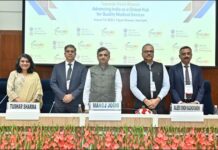
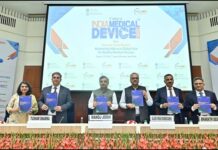
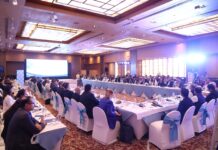
New Delhi: The Philippines recently hosted the 8th Asian Soil Laboratory Network (SEALNET) meeting from July 15-19, drawing dignitaries, scientists, and SEALNET members from around the globe.
The event, organized by the Bureau of Soil and Water Management of the Philippines, saw both in-person and virtual participation from various geographies. 
Dr. Pushpajeet Lokpal Choudhari, a soil scientist at ICRISAT and Chair of the Asian Soil Laboratory Network, delivered the opening address, setting the stage for a collaborative effort toward sustainable soil health. SEALNET under the Global Soil Laboratory Network (GLOSOLAN), strives to standardize operating procedures among Asian soil laboratories, fostering a unified approach to soil health. 
ICRISAT’s Director General, Dr. Jacqueline d’Arros Hughes, praised SEALNET’s initiative, highlighting its role in inspiring collaborative efforts for sustainable soil management. “Their commitment to work together and inspire each other is making significant strides towards a sustainable and healthy future for our soils,” she said.
The inaugural session on July 15 featured key speakers such as Lionel Henri Valentin Dabbadie, FAO Representative in the Philippines, and Lifeng Li, Director of the FAO Land and Water Division. The keynote address was delivered by Hon. Francisco P. Tiu-Laurel Jr., Secretary of the Department of Agriculture, Philippines. This in-person meeting, the first since the COVID-19 pandemic, marked a pivotal moment for strengthening relationships among laboratories and countries and defining a sustainable work plan for the future.
Dr. Pushpajeet Choudhari encouraged all focal points to motivate regional laboratories to join SEALNET and participate in regional proficiency testing. “By joining this initiative, members will contribute to collective goals and benefit from shared resources, expertise, and collaborative opportunities,” he said. “Together, we can generate quality data to amplify our impact and drive meaningful change in soil health management.”
Special thanks were extended to the host, Dr. Gina P. Nilo, Director of the Bureau of Soil and Water Management of the Philippines, for organizing the meeting and for her contributions as the former SEALNET Chair. In her address, Dr. Nilo emphasized the crucial role of soil laboratories in generating data for soil health maps.
Dr. Stanford Blade, ICRISAT’s Deputy Director General-Research, underscored the importance of soil health monitoring within the ‘One Health’ context. “Quality soil data and integrity are key to sustainable soil management and achieving food self-sufficiency. Healthy soil leads to a healthy life, as 95% of our food comes from land. It all begins with soil and water, the sources of life,” he stated.
The event, which included practical sessions on soil analysis and concluded with a field tour on July 19, highlighted SEALNET’s commitment to sustainable soil management and the collective efforts needed to achieve it. With approximately 150 registered laboratories, SEALNET reflects the dedication of its members and the hard work of its Steering Committee over the years.