




























By Dr P Surat
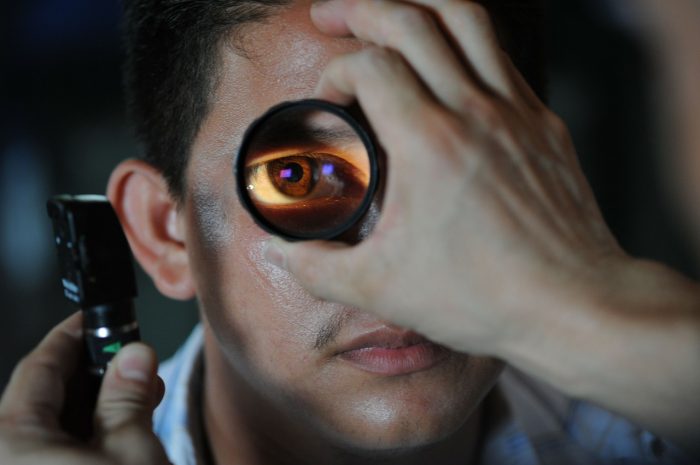
Faridabad: Detachment of retina in the eye is one of the leading causes of blindness in developing countries. In a recent study, researchers created a biopolymer that can act as a natural vitreous substitute–a clear gelatinous substance that fills the cavity between lens and retina. The pressure of this biopolymer against the retina helps in its positioning and reattachment.
Vitreous consists of 98–99% water apart from circulating metabolites and nutrients. However, vitreous may degenerate due to ageing and in certain diseases. This can lead to detachment of retina which is one of the leading causes of blindness in developing countries.
To counter this, an artificial substitute which resembles vitreous may be filled in the eye cavity. However, the existing substitutes, such as gases that can expand or silicone oil have several limitations. Patients need to lie in face-down position in case of expandable gases, while silicone oil needs to be removed via surgery due to complications, such as temporary vision loss, cataracts and toxicity.