













ASSOCHAM Pharma Summit 2024: Industry experts highlight positioning India as the Global Pharmaceutical Innovation Hub

The summit emphasized India's potential as a leader in pharmaceutical innovation, highlighting the need for regulatory reforms, R&D investment, and digital transformation

0
355
By Ayushi Jain
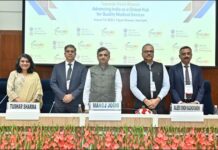
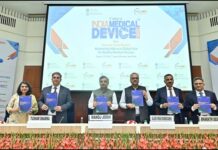
New Delhi: The ASSOCHAM Annual Pharma Summit 2024, themed “Positioning India as the Pharmaceutical Innovation Hub,” was held in New Delhi on September 26, 2024.
The summit aimed to highlight India’s growing role in the global pharmaceutical and medtech sectors, bringing together key industry leaders and experts to discuss strategies for fostering innovation, research and development (R&D), and exports. 
The event commenced with an inaugural session, featuring notable speakers including Dr. Y K Gupta, President of AIIMS Jammu and Principal Advisor for the Global Antibiotic Research and Development Partnership (GARDP), who provided an industry perspective during the release of the Knowledge Report. The session’s highlight was the address by the Chief Guest, Dr. Arunish Chawla, Secretary of the Department of Pharmaceuticals, Government of India. In his speech, Dr. Chawla reflected on India’s remarkable achievements over the past decade under the Make in India initiative, particularly in the pharmaceutical and medtech sectors.
Dr. Chawla revealed the immense success of the Production Linked Incentive (PLI) schemes, which have catalyzed $10 billion worth of exports from India over the last two years. He noted the transformational shift in the country’s export landscape, stating that in the closing year, India exported as much bulk drugs as it imported. He announced that over 50 new greenfield manufacturing plants for the pharma and medical devices sector are slated for completion within the next two years. 
Additionally, over 50% of the drugs and pharmaceuticals produced in India were exported, establishing the country as a key export-oriented player in the global pharma market. India’s meditech industry also recorded a major achievement by exporting more surgical and consumable products than it imported. He further highlighted how from April to August, the pharmaceutical and meditech sectors have become the fourth-largest manufacturers in the country, contributing double the value-added percentage compared to other industries. 
The first session, “PRIP (Promotion of Research and Innovation in Pharma MedTech Sector): India Opportunities for Investments,” brought together experts from academia and industry to discuss research and innovation. The panel included Dr. Jitendra Kumar, MD of BIRAC (Biotechnology Industry Research Assistance Council); Dr. Nivedita Gupta, Head of the Division of Communicable Diseases at ICMR; and Dr. Anurag S. Rathore, Professor at IIT Delhi. The first session focused on the roles of BIRAC, ICMR, and IIT Delhi in fostering innovation and research in the pharmaceutical and medtech sectors. The panelists discussed how their organizations are playing pivotal roles in promoting research and product innovation. 
They emphasized the importance of collaboration between academia and industry, with a strong focus on innovation and R&D to drive India’s transformation into a pharmaceutical innovation hub. “A very inter-institutional, multi-disciplinary collaboration approach is required. If we really need to take India to the level of a developed nation, we should be ready with all medical countermeasures required for diseases of pandemic potential,” Dr. Nivedita Gupta pointed out. The discussion also highlighted Medtech Mitra as a crucial initiative in bridging industry and innovation. The session emphasized the need for Public-Private Partnerships (PPP), technology transfers, and entrepreneurship to drive the next wave of innovation​.
In the second session, titled “Driving Business Growth: Building a Conducive Policy Ecosystem for Innovation and Scalability,” the speakers included Anil Matai, Director General of OPPI; Dr. Viranchi Shah, National President of IDMA; and Vivek Seigell, Senior VP of Apeejay Satya and Svran Group, among others. The panelists acknowledged India’s achievements but stressed the importance of value-added products and innovation. They called for regulatory reforms to fast-track approvals for drugs developed in India and highlighted the need for investment in sustainable practices, such as green chemistry. 
Dr. Viranchi Shah remarked, “There is an opportunity available globally, and it is upon us how much we can execute these reforms into real actions that will define our success.” The session also addressed the role of digitization in promoting innovation and streamlining supply chains, pricing, and manufacturing processes. Anil Matai added, “Large Indian companies are spending 6-8% of revenue on research. To drive innovation, collaboration between industry, academia, and policymakers is essential. But we also need concrete action on the ground to see real progress.”
The third session, “Digital Factory for Generics Pharma,” brought together experts such as Linumon Thomas, Digital Leader for SEA&I MCO at Sanofi India Ltd.; Rinku Kalra, Senior GM at Sun Pharmaceutical Industries Ltd.; Raj Prakash Vyas, President of Corporate Affairs at Cadila Pharmaceuticals Ltd.; and Sai Sethuraman, Head of PSSM India Operations & Strategy at Pfizer Ltd. The discussion centered on the transformative potential of digitalization in the pharmaceutical industry, particularly in generics manufacturing. The panelists explored the role of technologies like Artificial Intelligence (AI), Machine Learning (ML), and Big Data in enhancing efficiency, reducing costs, and accelerating drug discovery and development processes.
The session also highlighted how digital transformation can improve supply chain management, minimize inventory costs, and enhance the quality and pricing of pharmaceutical products. “Data is now considered capital, and effective data management is crucial for the success of businesses,” noted one of the panelists. The discussion emphasized the importance of using emerging technologies to strengthen India’s position as a global leader in pharmaceuticals. Panelists also stressed the need to secure cyber-infrastructure and invest in skilling ecosystems to support digital transformation.
Other speakers at the summit included Ishteyaque Amjad, Chair of the Assocham Pharma & Biotech Council and Managing Director of Policy & Government Affairs at Abbott Healthcare Pvt. Ltd., and Nakul Verma, Co-Chair of the Assocham Pharma & Biotech Council and Senior Director at Sanofi India Ltd.