






























By Dinesh C Sharma
Kohima: Rising temperature, erratic rainfall and occurrence of moderate drought are beginning to impact food production in Nagaland. In order to meet the challenge of climate change, the state is now turning to its forgotten resource – traditional food crops which can withstand higher temperatures and water-stressed conditions.
The hilly state has initiated steps to revive traditional rice as well as millet varieties which over the years gave way to high yielding crop varieties for various reasons. Though farmers are not growing traditional varieties for sustenance, they are still the custodian of knowledge about them. In wake of climate change, these varieties will be promoted among farmers, as they are the best bet for adapting to changing climate.
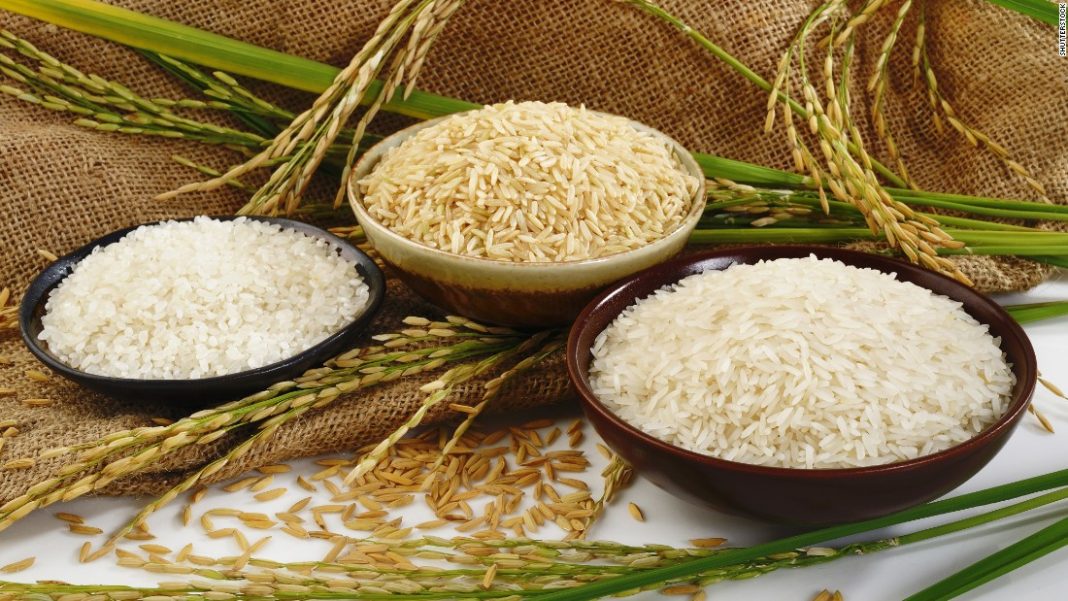
The biological diversity of rice in the state is tremendous – 867 traditional ‘land races’ of rice have been identified by the State Agriculture Research Station (SARS) at Mokokchung. These rice varieties are broadly categorized as glutinous, brown and aromatic, and most of them are grown under the jhum or shifting cultivation system practised by different Naga tribes in the state.
Rice is staple food of Nagaland with about 86% of the cultivable area in the state under jhum and terrace rice cultivation systems. Traditional rice varieties are grown in altitude ranging from 300 to 2500 meters.