















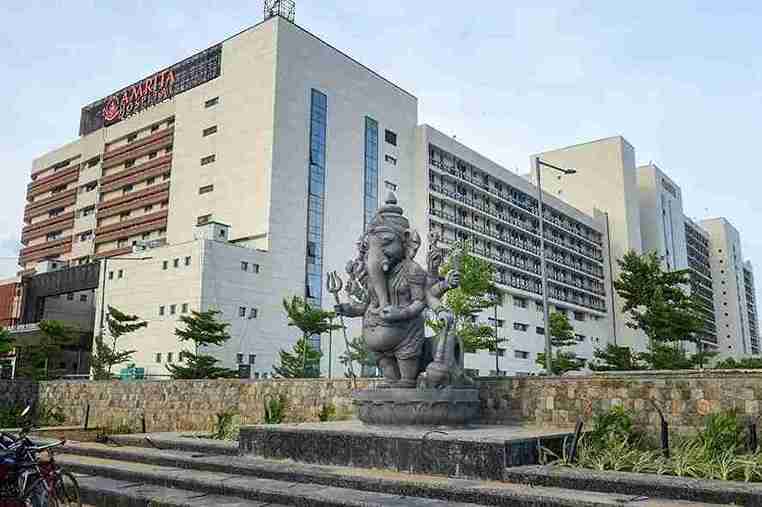
Doctors at Amrita Hospital warn of high risk of brain infections during monsoon

Coastal areas and rice belt regions are more vulnerable; Doctors emphasize early intervention to mitigate neurological risks

0
142
New Delhi: Doctors at Amrita Hospital in Faridabad have issued a stark warning regarding the increased prevalence of brain infections in India’s coastal and rice belt regions during the monsoon season.
The medical experts highlighted that high humidity levels and intensified mosquito breeding in these areas create favorable conditions for the spread of viral encephalitis and other brain-related illnesses, posing significant risks to vulnerable populations, especially children and the elderly.
Encephalitis, an inflammation of the brain typically caused by viral infections transmitted through mosquito bites, presents severe neurological symptoms that can lead to long-term complications if not promptly treated. 
According to Dr. Sanjay Pandey, Head of Neurology and Stroke Medicine at Amrita Hospital, “Brain infections can be of several types like viral, bacterial, tubercular, fungal, or protozoal. The most common symptoms of brain infections include fever, headache, vomiting, seizures, and altered consciousness. The reason why children and senior citizens are more prone to catch such infections is because of their weaker immune systems.”
He added, “Parents should be vigilant for symptoms such as rashes and loss of consciousness in their children during this season. Early intervention is crucial in managing these infections effectively and improving patient outcomes. Preventing mosquito breeding and protecting against mosquito bites are essential steps. If not treated timely, viral encephalitis can pave the way for parkinsonism, dystonia, and tremor.”
Recent data from The Lancet Global Health highlights coastal regions such as Karnataka and Orissa, northeastern states like Assam and Tripura, and northern states with rice belts like Bihar and Uttar Pradesh as endemic zones for viral encephalitis in India. These regions experience a surge in brain infections during the monsoon due to conducive conditions for mosquito breeding, which are vectors for diseases such as dengue and Japanese encephalitis.
Dr. Pandey further emphasized, “In India, treatments for brain infections depend on the type and cause of the infection. Bacterial infections are typically treated with antibiotics, while antiviral medications are used for viral infections like Japanese encephalitis and dengue. Tubercular brain infections require a prolonged course of anti-tuberculosis drugs.”
“Fungal infections are treated with antifungal medications. Supportive care, including anti-seizure drugs, corticosteroids to reduce inflammation, and hospitalization, is often necessary. Advanced cases might require intensive care and surgical interventions. Access to these treatments varies, with urban centers generally offering more comprehensive care,” he added.