













Odisha to enhance cancer care with technological adoption and government support

Partnership to Fight Chronic Disease and medical experts highlight initiatives to tackle rising cancer burden in Odisha

0
115
New Delhi: The Partnership to Fight Chronic Disease (PFCD) convened a significant discussion featuring leading medical experts to address the escalating cancer burden in Odisha.
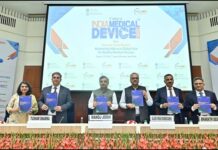
Leading oncologists, including Dr. Sanjib Kumar Mishra, Director of Radiation Oncology at Utkal Hospital; Prof. Chira R. Khadanga, Senior Consultant and Head of Radiation Oncology at SUM Ultimate Medicare, Bhubaneswar; and Dr. Sanjay Kumar Mishra, Director of Radiation Oncology at Utkal Hospital, gathered to highlight government initiatives aimed at improving cancer care in the region.
With the state’s Ministry of Health and Family Welfare reporting a worrying rise in cancer cases, recent data reveals a 22.5% increase in cancer incidence and a 22.6% rise in mortality over the past decade, placing Odisha among the top 12 states contributing to the nation’s cancer incidence.
“Odisha faces a significant challenge in cancer care. While national data shows a concerning rise, Odisha experiences a higher burden, particularly with breast and cervical cancers,” said Dr. Sanjib Kumar Mishra. “Early detection and access to advanced therapies are crucial for improving patient outcomes. However, bridging the gap between available resources and patient needs remains a hurdle. By raising awareness about the disease, its symptoms, and the benefits of advanced treatments, we can empower patients for early detection. Mobilisation of available resources can be made more efficient by decentralizing the cancer care infrastructure. This can be achieved by establishing well-equipped diagnostic centers and treatment facilities in district hospitals and peripheral areas. A decentralized approach would empower local communities, bringing care closer to patients and reducing the burden on overstretched centralized facilities. By making cancer care more accessible and efficient, we can significantly improve patient outcomes and save lives.”
Prof. Chira R. Khadanga emphasized, “Technological advancements in cancer treatment, particularly in precision radiotherapy like proton therapy, hold immense promise. These innovations allow for the highly targeted eradication of tumors with minimal impact on surrounding healthy tissues. However, to truly turn the tide against cancer, we need a robust healthcare infrastructure. By ensuring widespread access to advanced radiotherapy alongside well-equipped cancer care facilities, supported by high-quality machines and skilled manpower, we can significantly reduce cancer incidence and improve patient well-being.”
Dr. Sanjay Kumar Mishra shared, “The government’s focus on improving cancer care infrastructure and high-quality healthcare is commendable. With the right investments and collaborative efforts, Odisha will soon become a hub for cancer care not just in India, but across the globe.”
Despite government initiatives and technological advancements in cancer care, collaborative action is imperative to address the increasing disease burden. The PFCD urges stakeholders to come together and prioritize initiatives to enhance cancer diagnosis and treatment, ensuring equitable access to quality care for all in Odisha.