












TB incidence in India has fallen by 21% in the last nine years: WHO report

Treatment coverage increases to 92%, placing India ahead of other high-burden countries and global universal health coverage

0
59
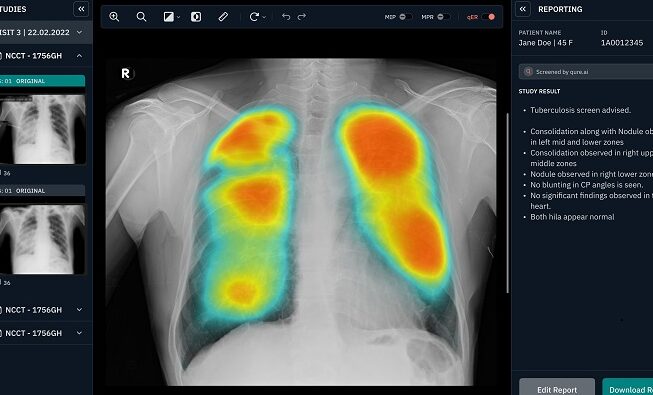
Image for representational purpose only.
New Delhi: India has achieved a 21% reduction in TB incidence, with new cases falling from 237 per lakh population in 2015 to 187 per lakh in 2024—almost twice the global rate of decline (12%), according to the WHO Global TB Report 2025. This ranks among the largest drops in TB incidence worldwide, placing India ahead of most other high-burden countries.
A major factor behind this progress is India’s innovative case-finding strategy, supported by rapid adoption of new technologies, decentralised service delivery, and wide-reaching community mobilisation. As a result, treatment coverage increased to over 92% in 2024, up from 53% in 2015. Of an estimated 27 lakh TB cases, 26.18 lakh patients were diagnosed, dramatically reducing the number of “missing cases” from 15 lakh in 2015 to under one lakh in 2024. Importantly, there has been no significant rise in MDR-TB cases, and treatment success rates under the TB Mukt Bharat Abhiyan have reached 90%, surpassing the global average of 88%.
Prime Minister of India, Narendra Modi complimented the stakeholders in a tweet,  “The latest WHO Global tuberculosis report 2025 highlights that India has recorded a commendable reduction in TB incidence since 2015 and it is nearly twice the global rate of decline. This is one of the sharpest drops seen anywhere in the world. Equally heartening is the expansion of treatment coverage, the fall in ‘missing cases’ and the sustained rise in treatment success. I compliment all those who have worked towards achieving this success. We remain committed to ensuring a healthy and fit India!”
TB mortality has also fallen markedly—from 28 per lakh population in 2015 to 21 per lakh in 2024—underscoring significant improvements in reducing TB-related deaths. This progress reflects sustained government commitment, demonstrated by a near ten-fold increase in funding for the national TB programme over the past nine years.
Launched in December 2024, the TB Mukt Bharat Abhiyan has rapidly expanded its reach, screening over 19 crore vulnerable individuals and detecting more than 24.5 lakh TB patients, including 8.61 lakh asymptomatic (subclinical) cases. This proactive strategy aligns with evidence showing the high burden of asymptomatic TB in high-risk settings.
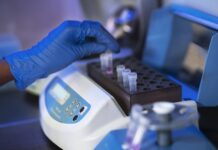
India’s strong emphasis on early detection is supported by the world’s largest TB laboratory network, comprising 9,391 rapid molecular testing facilities and 107 culture and drug susceptibility testing laboratories. To enhance community-level screening, more than 500 AI-enabled handheld chest X-ray units are operational, with 1,500 additional units being supplied to States and UTs. Through 1.78 lakh Ayushman Arogya Mandirs, TB services have been decentralised and made more accessible to communities.
The Ministry of Health and Family Welfare has also expanded nutritional support for patients. Under the Ni-kshay Poshan Yojana, monthly Direct Benefit Transfers have increased from ₹500 to ₹1,000 per patient for the full duration of treatment. Since April 2018, ₹4,406 crore has been transferred to 1.37 crore beneficiaries. Additionally, 6,77,541 Ni-kshay Mitras have distributed over 45 lakh food baskets to patients, reflecting strong public–private–community participation. More than 2 lakh My Bharat volunteers are providing psychosocial support as Ni-kshay Mitras, reinforcing India’s resolve to make TB elimination a true people’s movement.
To further improve outcomes, India has scaled up a differentiated TB care model, identifying high-risk patients based on clinical parameters and co-morbidities, and providing individualised treatment. ASHA workers have been trained to recognise early warning signs and refer patients quickly to higher-level facilities, ensuring timely and appropriate care.
With the leadership and direction of the Prime Minister, the TB Mukt Bharat Abhiyan will continue to prioritise proactive screening of all vulnerable populations, including asymptomatic individuals and those in congregate settings using handheld X-rays, early molecular diagnosis, and comprehensive, high-quality careencompassing treatment, nutrition, and psychosocial support. This integrated, patient-centred approach is expected to drive further reductions in TB incidence and mortality, bringing India closer to the goal of a TB-Mukt Bharat.