





























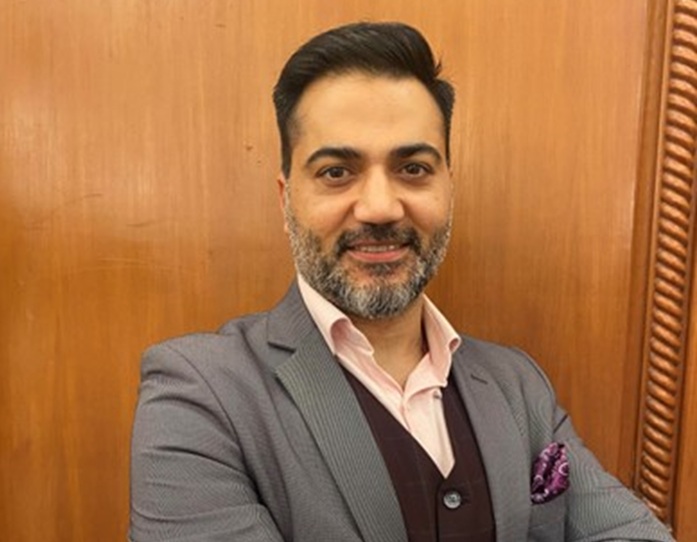
About Author: Rajeev Taneeja, Founder and CEO, Global Care. With a diverse entrepreneurship experience of over 21 years in customer service and healthcare, Rajeev Taneja is one of the leading authorities in the medical tourism sector. Rajeev founded Global Care with the vision of leading the growth of seamless medical tourism globally. Previously, he worked as a recruitment specialist catering to behemoths like Dell, HCL, and Accenture, recruiting more than 600 personnel for ITS companies.
The global medical tourism industry has evolved rapidly over the last few decades, with technology acting as a powerful driver of this transformation. As more people seek high-quality, affordable healthcare abroad, tech innovations have stepped in to bridge geographical and logistical gaps, enhance patient experiences, and revolutionize the way we approach international healthcare.
Medical tourism has witnessed explosive growth globally. The global medical tourism market size was valued at USD 9.7 billion in 2022 and is expected to grow at a compound annual growth rate (CAGR) of 25.2% from 2023 to 2030. India, in particular, has emerged as a key player, with the country’s medical tourism market estimated at USD 7.69 billion in 2024, and is expected to reach USD 14.31 billion by 2029, growing at a CAGR of 13.23% during the forecast period (2024-2029).
With its blend of affordable yet world-class medical services, India attracts patients from across Asia, Africa, the Middle East, and even Western nations. Hospitals across the country offer cutting-edge treatments, often at a fraction of the cost compared to developed nations, in fields such as oncology, orthopedics and cardiac care. The sector’s success owes much to technology’s ability to streamline processes and improve patient experiences across borders.
Technology: The Lifeline of Modern Medical Tourism
Technology’s influence on medical tourism can’t be overstated. From telemedicine consultations to AI-powered diagnostics, tech advancements have made medical tourism more seamless for both providers and patients. Here’s how:
Tele-solutions for Consultations from Anywhere: Tele-solutions like Tele-Medicine, Tele-ICU, Tele-Radiology are bridging the gap in healthcare accessibility. These tele-solutions have revolutionized how patients initiate their medical journeys. Through video consultations, potential patients can connect with specialists from across the globe, discuss their treatment options, and then pave the way forward for their medical travel.
Through telemedicine platforms, patients can consult with doctors and specialists from anywhere, reducing the need for travel and enabling timely medical intervention.
This not only provides faster diagnostic solutions but also helps patients plan their treatment more efficiently ensuring a comprehensive pre and post-treatment plan.
AI and Machine Learning in Healthcare: Artificial Intelligence (AI) and Machine Learning (ML) are playing a growing role in diagnosis and treatment planning. AI algorithms can analyze medical images, track patient progress, and even predict outcomes based on historical data, allowing for more accurate and timely diagnoses. This reduces human error and enhances the trust that international patients place in foreign medical institutions.
AI is also helping build predictive models for patient volumes, staffing needs, and optimal treatment approaches. This optimization leads to increased operational efficiency and better resource allocation for healthcare providers.
“India has emerged as a key player in medical tourism market with an estimated at USD 7.69 billion revenue in 2024, and is expected to reach USD 14.31 billion by 2029.”